


Last reviewed January 3, 2021
Individuals who have myasthenia gravis may be at increased risk for severe COVID-19 illness. With this in mind, Conquer MG’s Medical Advisory Board continues to review recommendations issued by the Centers for Disease Control (CDC), and offers these general guidelines.
Please note this is not intended to be a substitute for professional medical advice. Be sure to consult with your physician to decide what’s appropriate for your specific situation.
December 2021 Health Advisory Update
Conquer MG’s Medical Advisory notes the CDC is reporting a sharp increase in COVID-19 cases for the month of December 2021. The highly contagious Omicron variant is anticipated to cause a rapid increase in infections over the next few weeks.
All MG patients and families are reminded that getting a vaccine and booster remain the best way to protect against serious illness or hospitalization from COVID. Find your nearest vaccination site at vaccines.gov, or call (833) 621-1284 (in Illinois) or 1-800-232-0233 (TTY 1-888-720-7489) (for other states) to schedule an appointment near you. People who are taking medications that lower their immune system may not be completely protected even if they are fully vaccinated and have received an additional dose.
Please protect yourself and your loved ones and wear a well-fitted mask covering your nose and mouth in public indoor spaces even if you are vaccinated. To prevent the spread of disease, celebrate safely over the holidays by keeping gatherings small. Consider getting tested before visiting others.
For testing site information, visit
- Illinois: https://dph.illinois.gov/covid19/testing.html
- Other states: https://www.hhs.gov/coronavirus/community-based-testing-sites/index.html
Please stay home and isolate yourself if you have fever, sore throat, cough, shortness of breath, headache or new loss of taste and smell.
COVID-19 Vaccine – Third Dose/Booster
Guidelines and recommendations continue to evolve as more data become available.
Additional (Third Dose)
- The CDC recommends that people with moderately to severely compromised immune systems receive an additional (third) vaccine dose 28 days or later after a second dose of the Pfizer-BioNTech COVID-19 vaccine or Moderna COVID-19 vaccine. This applies to individuals who have myasthenia gravis and are taking immunosuppressant treatments such as chronic prednisone, tacrolimus, azathioprine, and others. Guidance for the Johnson & Johnson vaccine is pending.
- It’s recommended you get a third dose of the same vaccine product as you received originally.
Booster
- The CDC recommends that all individuals age 18 and older should receive a booster shot of any of the COVID-19 vaccines authorized in the United States. If you originally received the Pfizer or Moderna COVID vaccine, you should get the booster once 6 months have passed since your original vaccine series was compledte. If you originally received the Johnson & Johnson vaccine, you should get the booster once 2 months have passed since your original vaccine. Teenagers ages 16-17 who originally received a Pfizer-BioNTech vaccine may receive a Pfizer booster after considering their individual risks and benefits. Read more.
Initial COVID-19 Vaccine
- MG patients should get vaccinated. Generally, we anticipate that the risks associated with the COVID-19 vaccine will be relatively small compared to the risk of contracting the disease itself.
The CDC states, “People with autoimmune conditions were eligible for enrollment in COVID-19 vaccine clinical trials. No imbalances were observed in the occurrence of symptoms consistent with autoimmune conditions or inflammatory disorders in clinical trial participants who received COVID-19 vaccine compared to placebo. People with autoimmune conditions may receive any FDA-authorized COVID-19 vaccine.”
- If you are taking immunosuppressant medication for a condition such as myasthenia (this includes common MG treatments such as prednisone, azathioprine, mycophenolate mofetil, and others), you may NOT be fully protected even if you are fully vaccinated. Talk to your healthcare provider. Even after vaccination, you may need to continue taking precautions such as wearing a mask, social distancing, and staying out of crowds.
Q: Is there a way to tell how effect how effective the COVID-19 vaccine is for me?
A: How well the vaccines work will depend upon your immunosuppression at the time of receiving the vaccine dose(s). This varies from person to person, and will depend on your overall health, age, and medication dose. The National Institutes for Health (NIH) is conducting research that examines the immune response to COVID-19 vaccination in people with different immune disorders or on immunosuppressive medications.
Q: I’m just taking pyridostigmine bromide to treat my MG. Does that reduce the effectiveness of my COVID-19 vaccine?
A: We don’t believe so. Pyridostigmine bromide does not work by suppressing the immune system.
- It’s recommended that persons who have myasthenia avoid any vaccine made from a live or weakened virus. However, the COVID-19 vaccines approved for use in the U.S. (made by Moderna, Pfizer, and Janssen (Johnson & Johnson)) do not contain a live or weakened COVID virus, though the Jannsen version uses a viral vector as the delivery method.
- More than one vaccine is being developed for COVID-19. There is not yet enough information to say which vaccine will be better for the MG population.
- The CDC and FDA have investigated reports of a very rare condition called thrombosis with thrombocytopenia syndrome (TTS) (blood clotting with low blood platelet counts). A warning has been attached to the Johnson & Johnson vaccine noting rare blood clotting events might occur after vaccination, primarily among women aged 18-49 years, and that providers and patients alike should watch for signs of this condition so it can be treated promptly.
- Although not yet approved for use in the U.S., we continue to watch reports about the COVID-19 vaccine made by AstraZeneca. The same warning about rare blood clotting events that applies to the Johnson & Johnson vaccine is now attached to the AstraZeneca vaccine.
- Persons receiving monoclonal antibody therapy (such as rituximab or Soliris®) for myasthenia should discuss with their doctors how to time the COVID-19 vaccine so the vaccine is most effective. For rituximab, it’s suggested individuals get the first vaccine dose 6 weeks before rituximab treatment, and the second vaccine dose 4 weeks before another treatment.
COVID-19 and MG: Guidance You Can Trust
- Myasthenia Gravis and the COVID-19 Epidemic: Things for you to know. (27-minute video) Henry Kaminski, MD, George Washington University, explains coronavirus basics, answers questions specific to those who have myasthenia, and identifies important ways to boost your health.
- Click to read Guidelines for Management of Myasthenia Gravis and Lambert-Eaton Myasthenic Syndrome during COVID-19 Pandemic, written by the International MG/COVID Working Group. This article was published online March 24, 2020 in the J Neurol Sci. https://doi.org/10.1016/j.jns.2020.116803 You’ll find advice to share with your doctor about continuing your current therapies, whether to shift to home infusions, and more. (1/28/2021 Update: Starting in late 2020, COVID-19 vaccines have become available. For current guidance on COVID-19 vaccines from the CDC and Conquer MG’s Medical Advisory Board, see the top of this page.)
- The Muscular Dystrophy Association (MDA) has published a guide for medical professionals, addressing how to provide pulmonary (breathing) support for neuromuscular patients. MG patients may want to be prepared to share this with physicians if they need emergency care. Pulmonary Support for Neuromuscular Disease Patients During COVID19 Pandemic
- Click here to see what you can do to boost your own immune health. Click here for a discussion about staying well during the pandemic.
About COVID-19
The strain of the coronavirus causing this illness is called COVID-19. The virus is thought to spread through respiratory droplets produced when an infected person coughs or sneezes. It may be possible to acquire the illness if you’re near someone who is ill, or by touching a contaminated surface. Variants of the virus that causes COVID-19 have and are expected to continue to emerge.
Coronavirus symptoms range from mild cold-like illness to severe breathing difficulty.
What Information is Reliable?
The content on this page was created by expert doctors and researchers in the MG community. In addition, these sources – the Center for Disease Control (CDC) and the World Health Organization (WHO) – offer trustworthy information:
Advice from the CDC
Whether your community has high infection rates or high vaccination rates, those most at risk for serious illness from COVID-19 continue to include older individuals and those who have serious chronic medical conditions. This includes people who are immunocompromised, such as people receiving immunosuppressant treatments for myasthenia gravis.
If you are at higher risk of getting very sick from COVID-19, you should continue to take precautions recommended for unvaccinated people until advised otherwise by your health care provider:
- Wear a mask in indoor public places.
- In areas with high numbers of COVID-19 cases, consider wearing a mask in crowded outdoor settings and for activities with close contact with others who are not fully vaccinated.
- Take everyday precautions to keep space between yourself and others. Put a distance of at least six feet between yourself and others who don’t live in your household.
- Avoid close contact with people who are sick.
- Avoid crowds and poorly ventilated spaces.
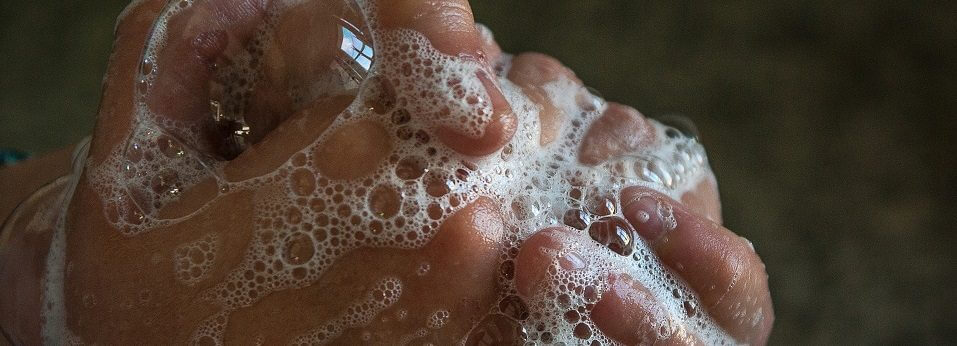
- Wash your hands often.
- Cover your coughs and sneezes. If you are wearing a mask at the time, put on a new, clean mask as soon as possible. Wash your hands immediately.
- Clean high-touch surfaces daily.
- Be alert for symptoms. Watch for fever, cough, shortness of breath, or other symptoms of COVID-19
For more information, click these: